


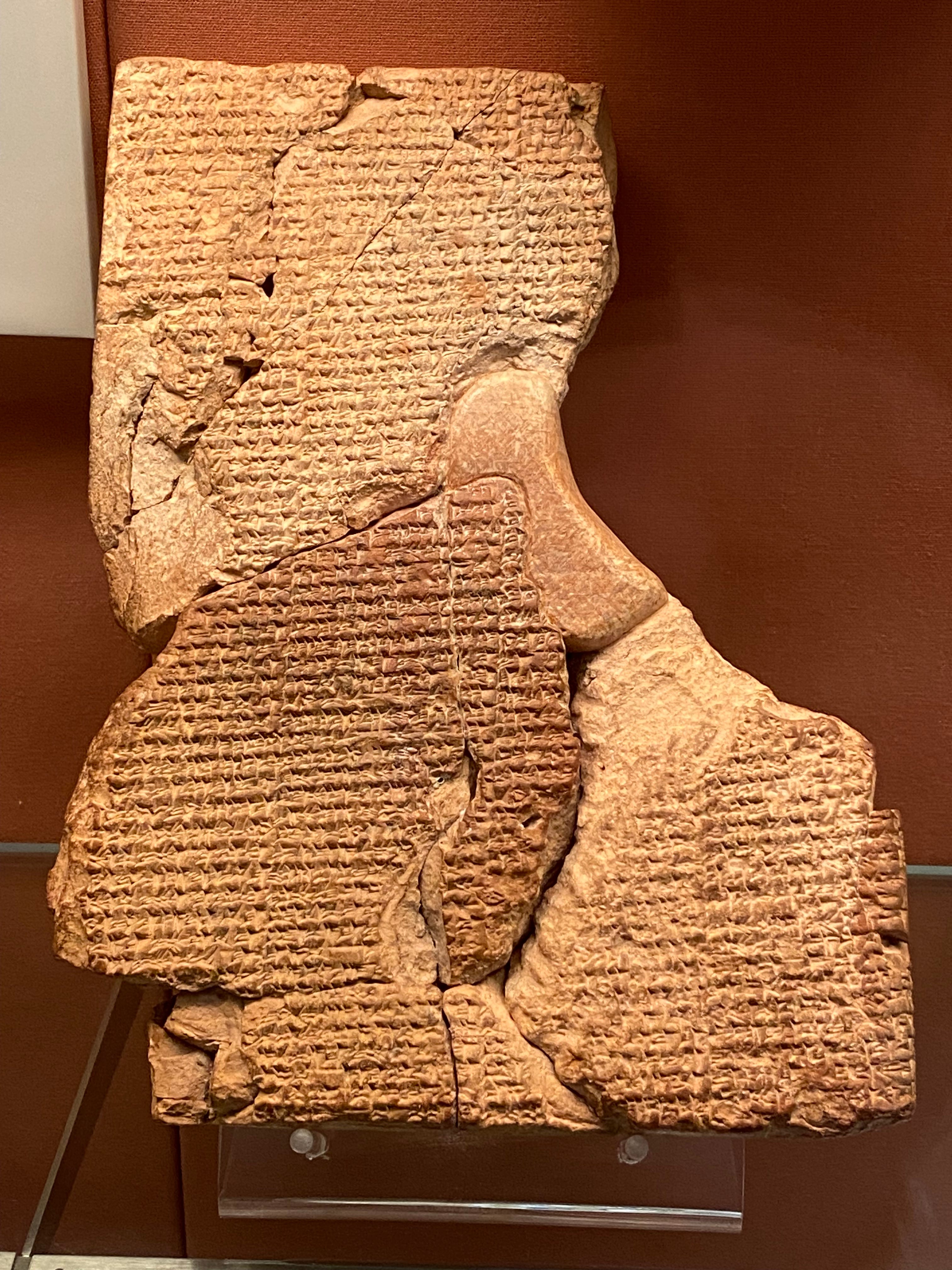
Imagine that you came across a work of literature so compelling that you wanted to preserve it for the next 4,000 years. Which format would you select to preserve the story? A paperback book might get you 50 years into the future, a hardcover 100 years, and a leather-bound book properly cared for, 500 years. What about a digital format? Think about how rapidly file formats have changed in our own lifetimes. Will an .epub digital file be accessible or transferable in 4,000 years?
Can we apply the Lindy Effect to our question? Instead of considering our current book formats, what if we look to the past to see what has stood the test of time. The Lindy Effect proposes that “the longer a period something has survived to exist or be used in the present, the longer its remaining life expectancy.”1
There is only one format that fits the bill, and that is the mighty clay tablet. Our museums are full of clay tablets unearthed in Mesopotamia containing business ledgers, personal complaints, prayers, and epic stories. A clay tablet stored in a dry climate can last for centuries. Our copies of The Epic of Gilgamesh may be 4,100 years old.
More than 30,000 clay tablets survived the 612 BC fires and destruction of Ashurbanipal’s Library in Nineveh (near modern-day Mosul). Fire can actually strengthen the tablets. The things that can destroy a clay tablet are brute force and water. That’s one reason why it was so important for Gilgamesh to meet someone from before the flood in The Epic of Gilgamesh. All collected intelligence had been destroyed in the flood because water would have destroyed all clay tablets.
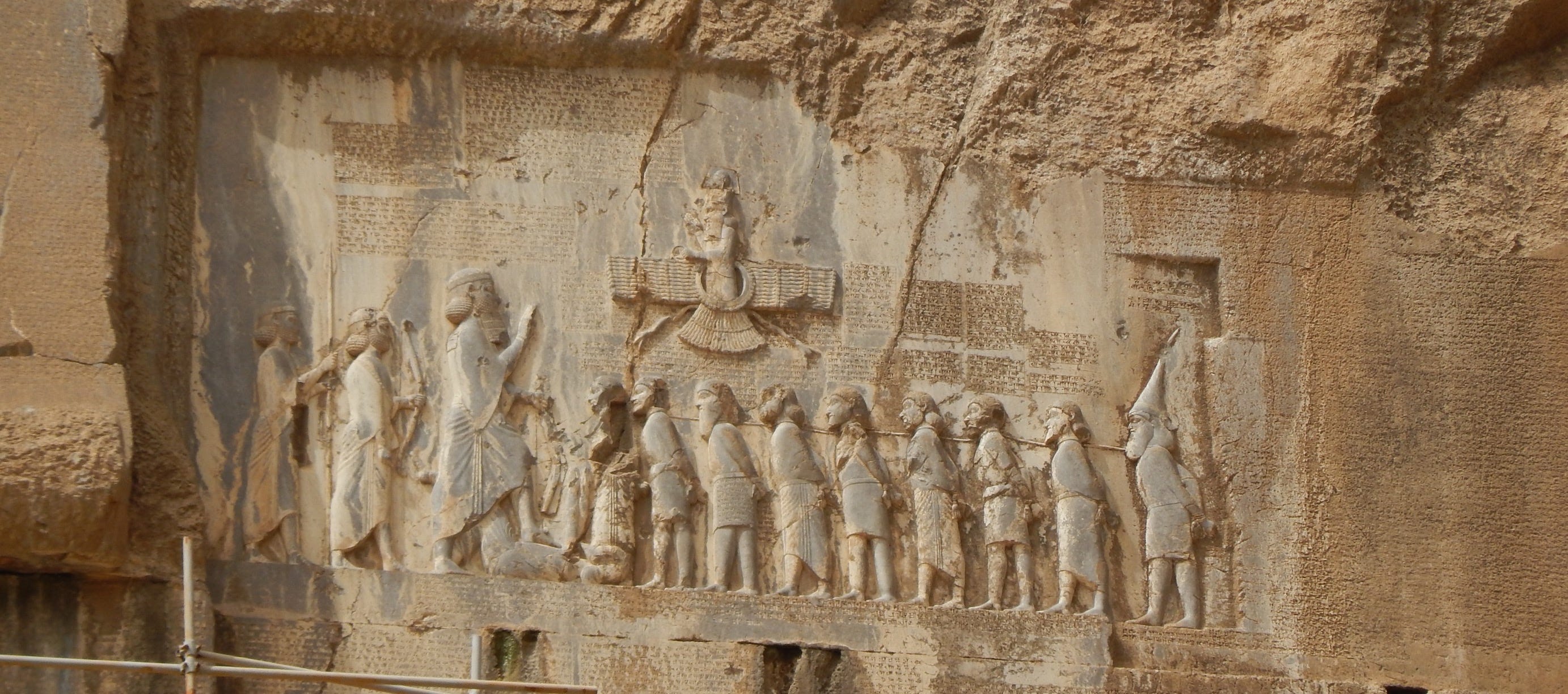
The discovery of these tablets in the library of Ashurbanipal in the 1850s still required a way to decipher the cuneiform markings. That came when The Behistun Inscription in modern-day Iran was decoded. That inscription was written in Old Persian, Elamite, and Babylonian (Akkadian), making it possible to read cuneiform.
The photo at the top of this article contains the Babylonian Flood Story. Stuffy British academics lost their minds when they finally read this tablet. One guy (George Smith) stripped off his clothes at the British Museum when he came across this account in The Epic of Gilgamesh, a flood story predating the Biblical account. He realized he was the first person to read that account in over 2,000 years.
What stories should we preserve from our own time? Which stories do we have now that we think people will still be reading 4,000 years from now? Again, we could consider the Lindy Effect to see what stories have been with us the longest and start there. It won’t be our latest and greatest technology that is likely to last 4,000 years, but the oldest writing technology, the clay tablet.
https://en.wikipedia.org/wiki/Lindy_effect