


I was having lunch with a friend last week and the discussion turned to AI. He said that the direction of AI is that of optimization. Websites, driving, and experiences are being optimized. In my own line of work in digital advisory, I experience this striving on a daily basis. One of the services I offer hints at that very direction - search engine optimization.
A lot of good will come from optimization. It will save lives, improve personal technologies, and generate desired outcomes quicker. But part of optimization is getting rid of the imperfections. It’s removing the slow in favor of the fast. It’s the banishment of the human element for a more efficient technological solution. Optimization will present a form of beauty stripped of the real.
Our lives are about to become more and more inundated with AI. It will become embedded in everyday technology to where it will be hard to distinguish its use from non-use. We’re running into this issue at Landmark Booksellers where our current rule is not to accept any new book submission containing content generated by AI. It’s easy to spot AI slop when the book illustrations contain people with 6 fingers, but it will get harder and harder to draw the line going forward. A simple Google search for research generates an AI response. Does that count?
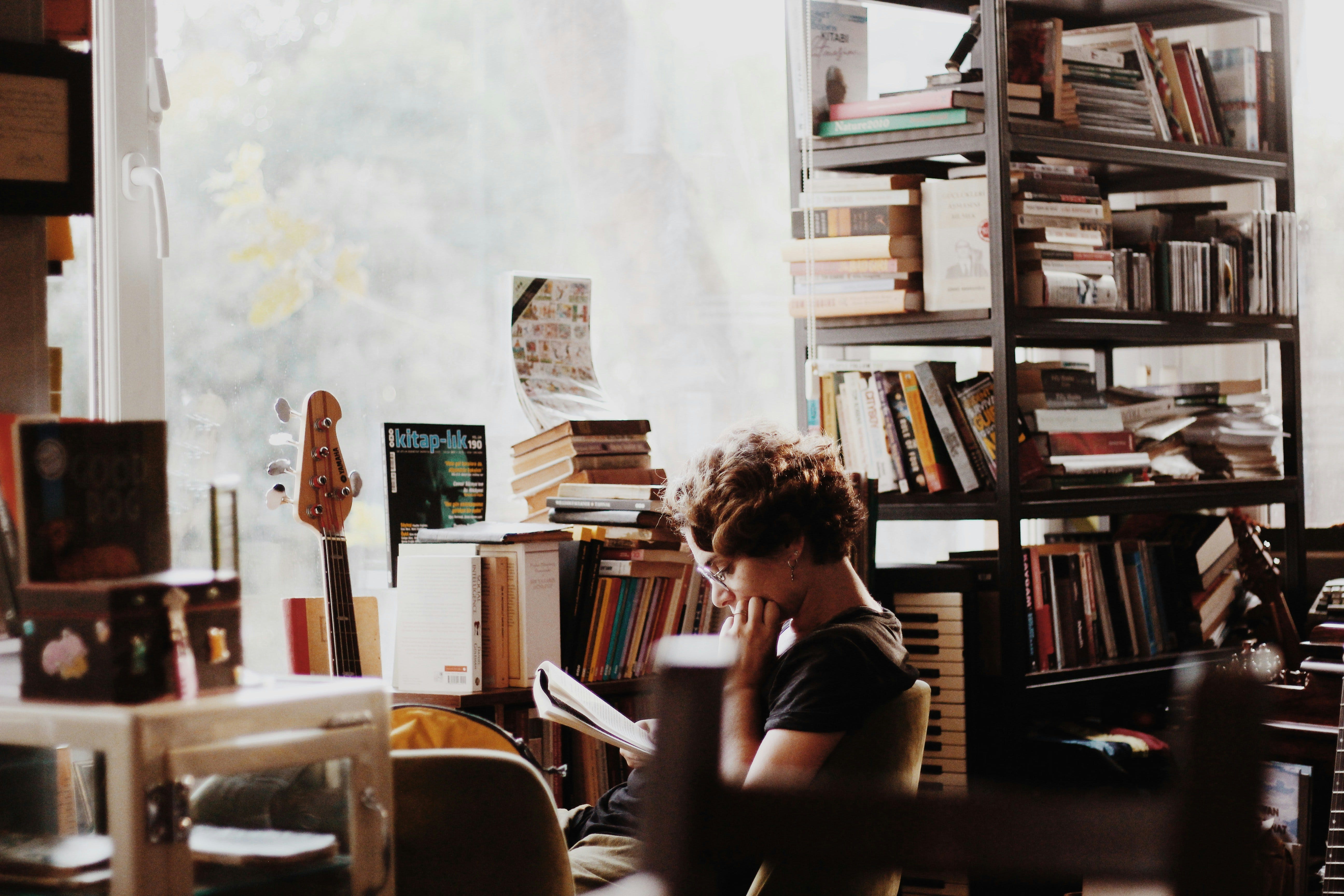
I’d like to propose that as our work lives and personal technology become more and more imbued with AI, that we respond by cultivating an area of our lives free from AI. What if you viewed your reading life as that bulwark against optimization? As a part of your life that you purposefully kept free from any use of AI? What would that look like?
First, there would be a focus on the physical and the tangible. While everything becomes digitized, you double down on physical books. You pick the local, in-person reading group over the online one. When you have a question about what you are reading, you either read more or ask a friend before consulting ChatGPT. When your book report comes due, you eschew AI research to think and write on your own.
Second, you create a no-technology zone around your reading life. Your phone is in another room while you read. If you use a tablet for your books, you set parameters around notifications and distractions during your reading time. You remove the constant bombardment of notifications.
Third, you take things slowly. You re-read when you don’t understand. You read other viewpoints on the same topic. You focus your attention on the best of what humankind has written throughout the ages. You don’t speed-read to just obtain the top takeaways and then quickly move on. You dwell.
As everything around you becomes more and more optimized, make a practice of carving out a non-optimized area of your life. A reading project is a good antidote to the onslaught of these new technological tools. I like the tools and use them daily in my work life. But in doing so, I don’t want to lose the human connection, the imperfections, and the deep thinking that make life beautiful.