


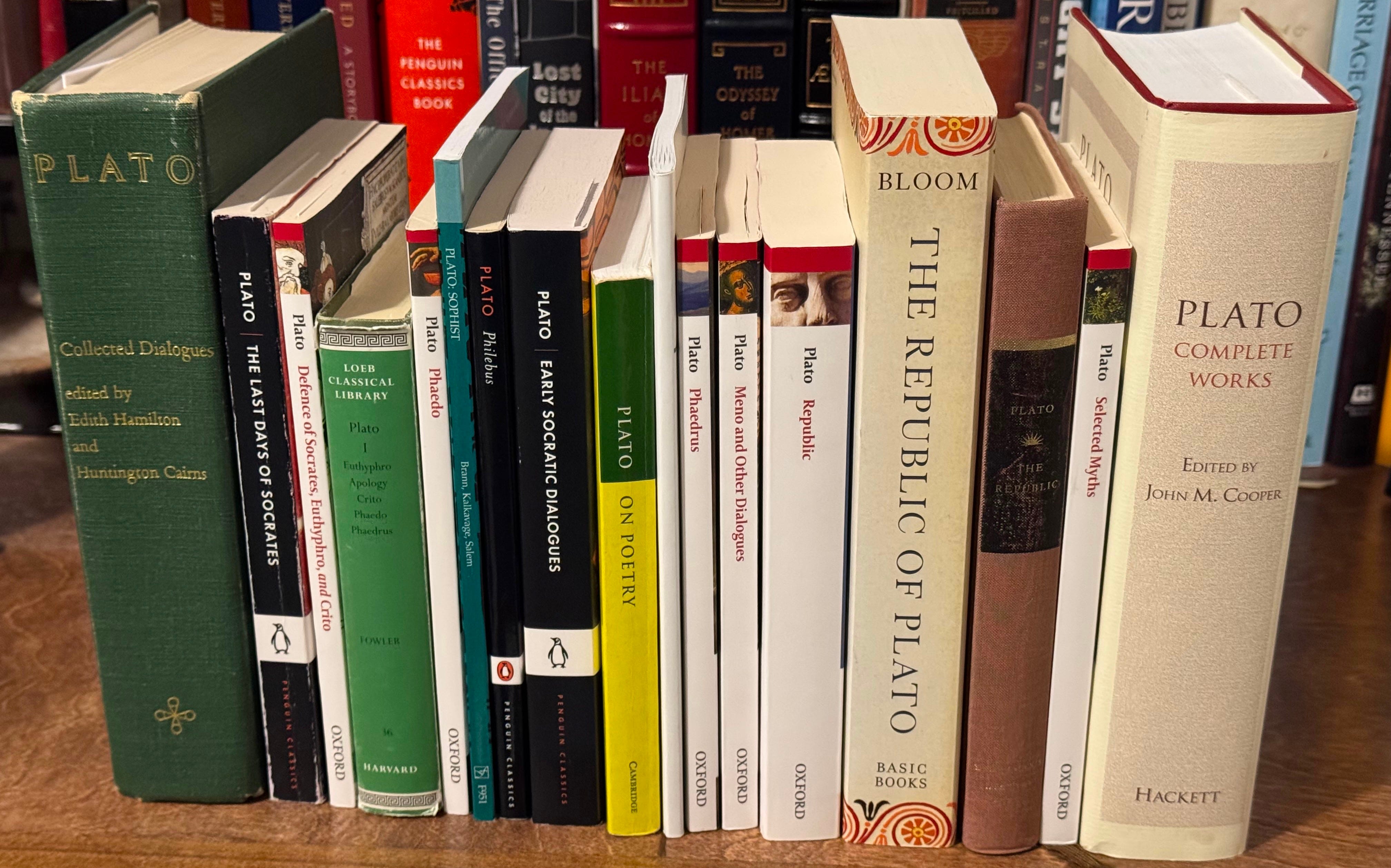
As part of this reading project, I decided to read all of Plato’s dialogues. In Plato: Complete Works, edited by John M. Cooper, there are 45 distinct dialogues and other works. So far, I’ve read 21 of those 45.
I came into this Plato Project with almost no previous exposure to Plato. I was coming in blind. I quickly realized that Plato was continually referencing earlier philosophers. I actually stopped reading Plato last year to read those early Greek philosophers before returning to Plato again this year. That ended up helping tremendously.
In this article, I’d like to share some observations from my time with Plato. These have helped me to better understand the purpose of the dialogues and how they are structured.
Philosophy is Personal
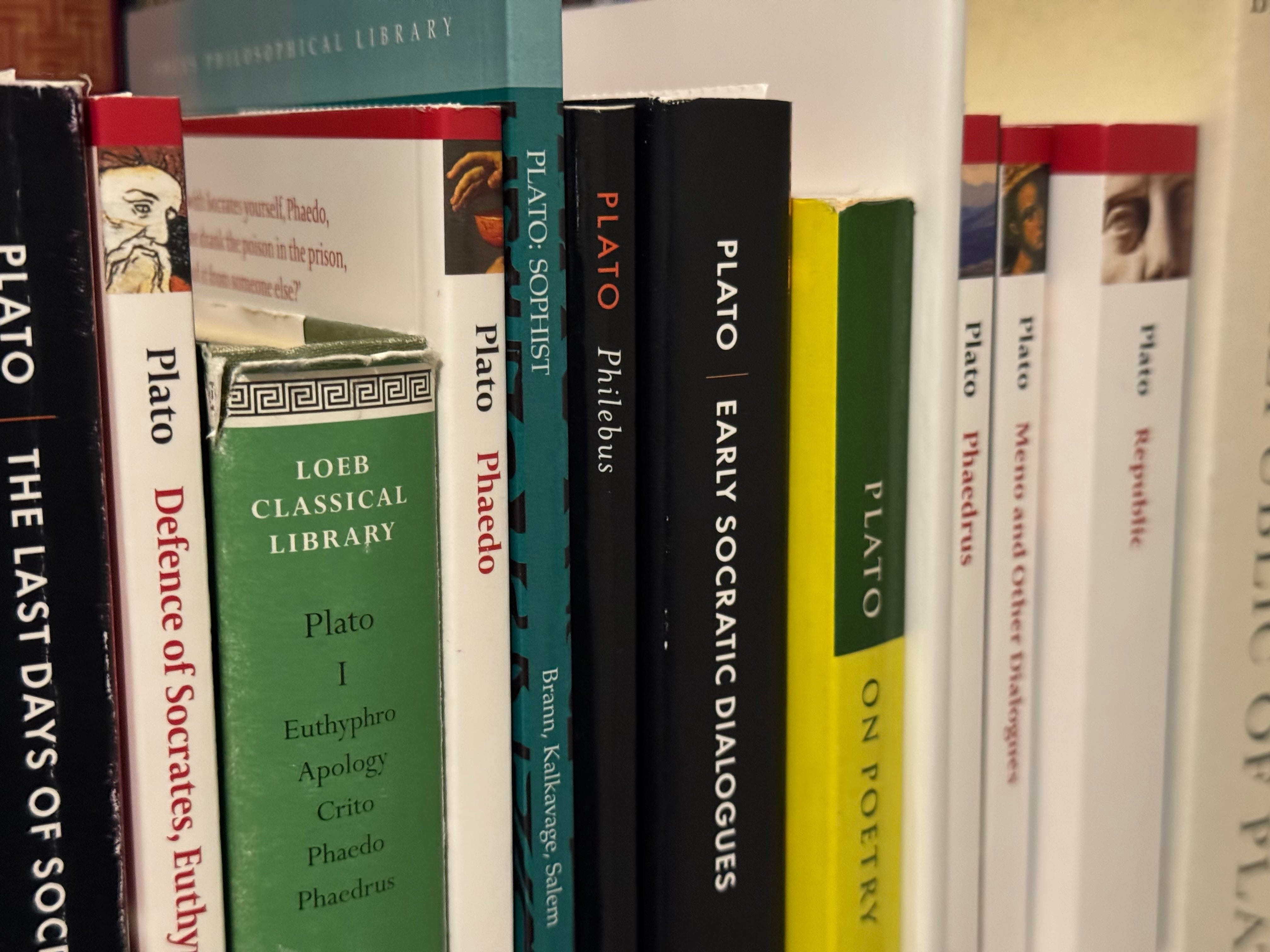
When I think of philosophy, I think of ideas. It’s quite startling to realize that the majority of Plato’s dialogues are named after a person, not an idea. Here are some examples of titles placed into different buckets:
Early Greek Philosophers - Parmenides, Protagoras, Gorgias (8 total dialogues)
Contemporaries of Socrates - Charmides, Alcibiades, Phaedo (20 total dialogues)
Themes or Ideas - Apology, Statesman, Laws (+/- 14 dialogues)
Others - Hipparchus, Sisyphus, Minos (3 dialogues)
That means that just a little under 30 dialogues are named after a person. These were not random choices. They are the starting point of each dialogue. Plato chose each philosopher, friend, or contemporary on purpose and it’s important to try to get to know about these people before approaching the dialogues.
There’s another aspect of the personal nature of the dialogues. Plato teaches philosophy through discussion. These are not one-way lectures. They are two-way (or more) conversations. Philosophy doesn’t occur alone; it’s always in dialogue.
Aporia
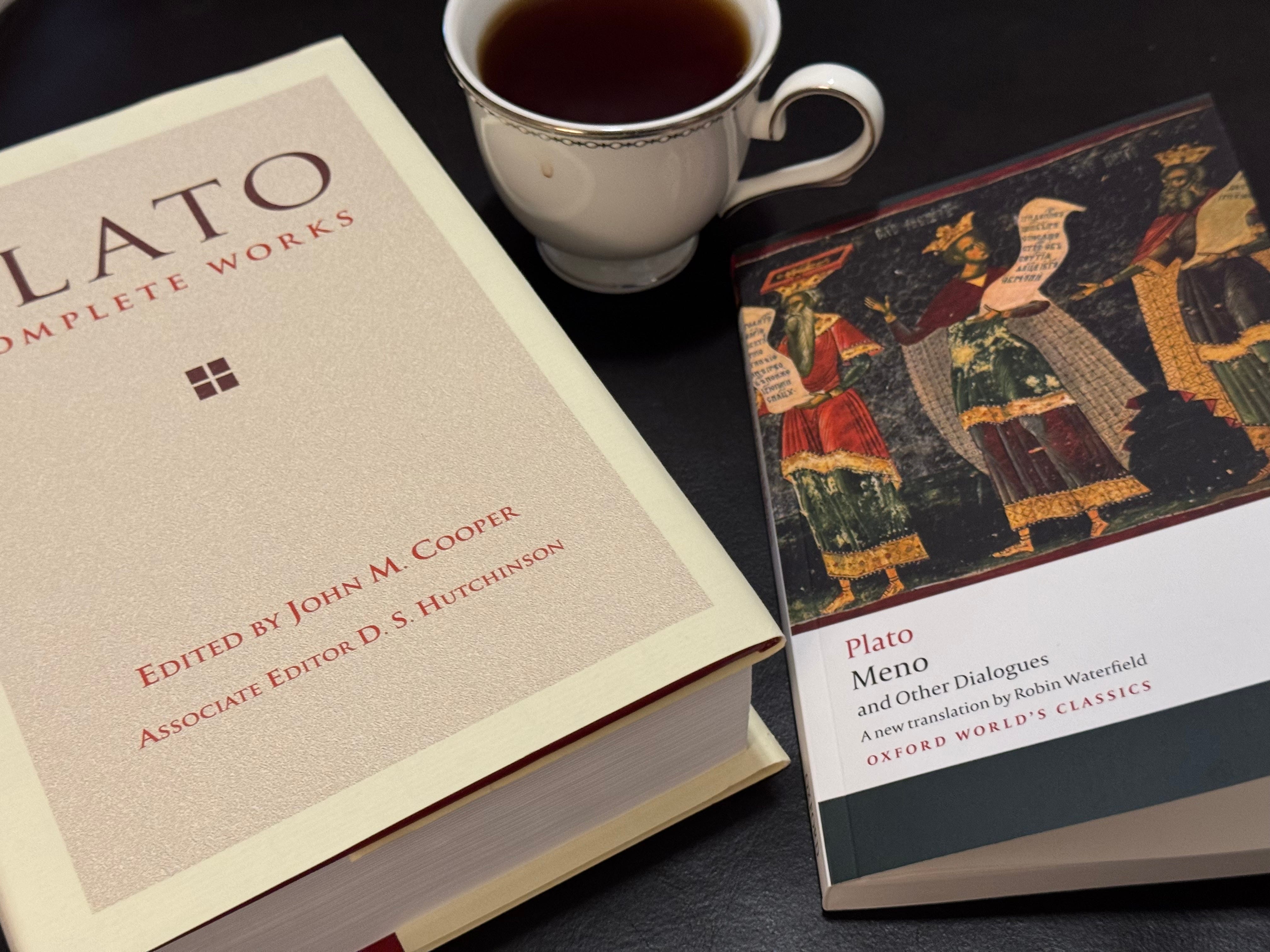
I just learned about this term in Robin Waterfield’s introduction to Charmides, Laches, Lysis, and Meno. I posted about it last week and had some helpful responses from other readers on what aporia means. I wanted to share them here:


Plato’s dialogues typically end in aporia. They leave the person in the dialogue in a state of confusion or in a state where they realize they know less about a given topic or idea than they thought they knew going into it. It has the same effect on the reader.
Waterfield suggests that Socrates believed “aporia was good for the soul.”
The Elenchus: Method of Inquiry
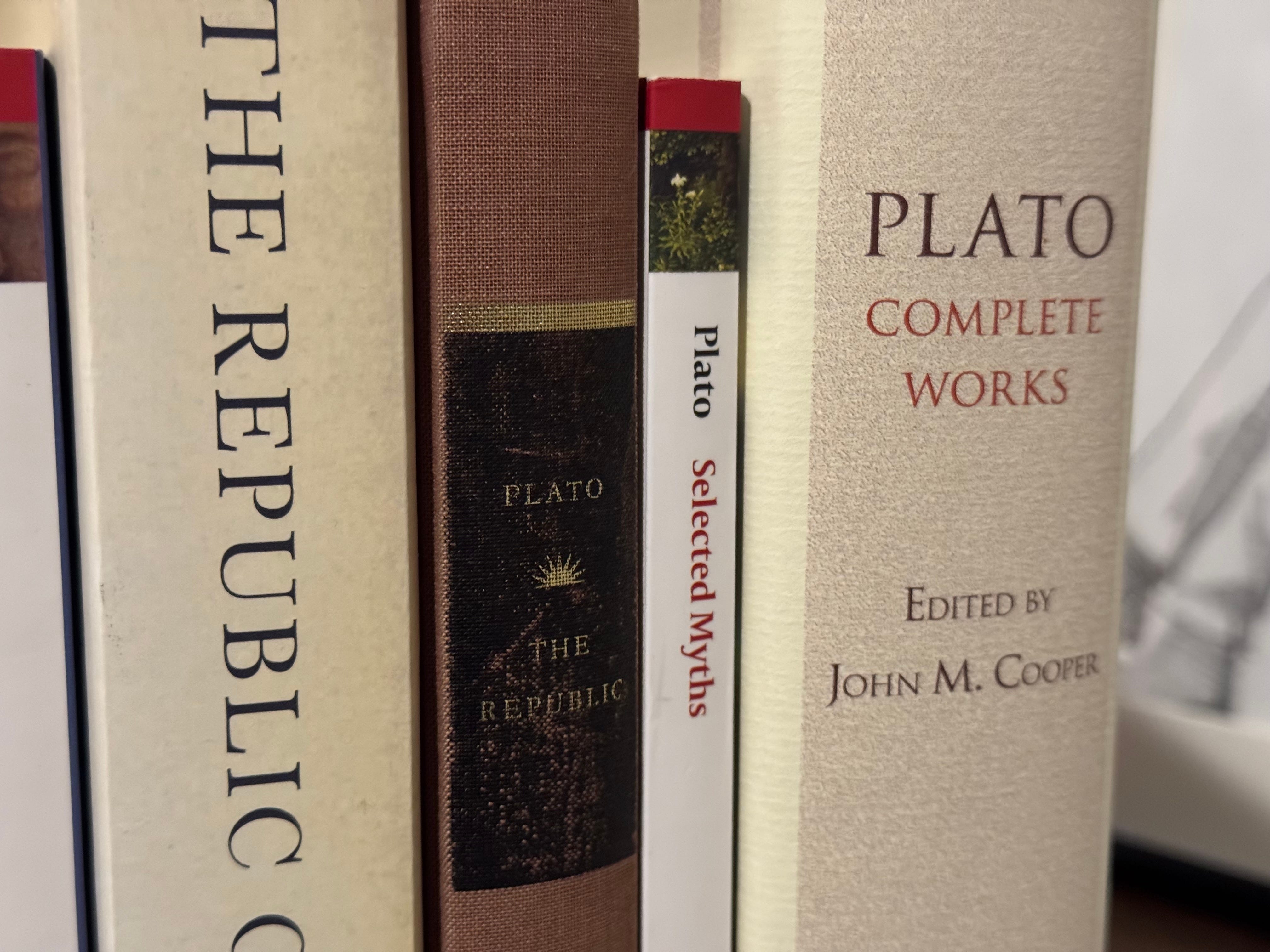
The elenchus is another term I picked up from Robin Waterfield. It means testing or challenge and it is the method of inquiry used by Socrates. The questions Plato places in the mouth of Socrates are meant to test and challenge the person to see if they truly understand what they believe.
In my first corporate job, I remember attending a meeting where one of the executives asked painfully basic questions. These were questions that interns would have been embarrassed to ask, and yet in asking them, this executive exposed the fact that very few people in the room could actually articulate answers to these most basic of questions about the business. By appearing unintelligent, he addressed and exposed ideas we all needed to understand.
Through Plato, we see a variety of people challenged in their knowledge, oftentimes of basic ideas. This elenchus is what leads to aporia.
Definitions
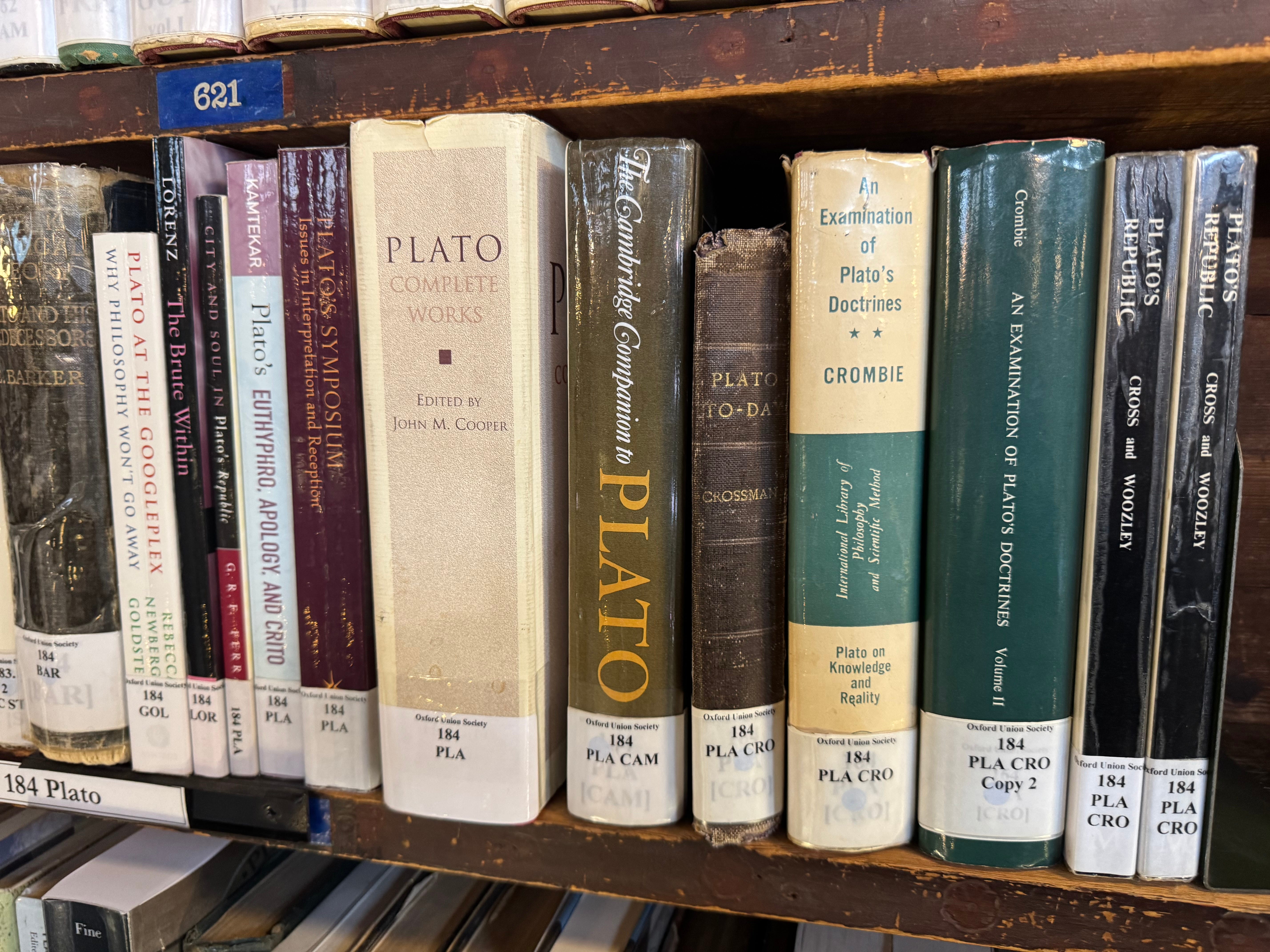
Something else that Waterfield points out in his introduction is that people didn’t have nice Oxford dictionaries sitting around in Ancient Greece. Part of Plato’s purpose was to determine definitions for key terms and ideas to establish a standard from which to base discussions. Many of the questions Plato has Socrates ask are there to establish a definition both broad enough and limited enough to encompass the essence of the idea.
Remembering Plato
One of my foremost goals for this reading project is to remember what I read. The items listed above provide some keys to assisting in remembering Plato. We tend to remember stories more than lectures. Since many of these dialogues are named after a person, that provides an excellent starting point for recollection. Who is the person named and what was the topic in which Socrates set the elenchus?
From there, how does the elenchus lead to aporia in that particular dialogue? One thing I do to assist with my disobedient memory is to set aside a page in my yearly Everything Notebook to list out the Plato Dialogues I’ve read and the main idea or question by which to remember them by:
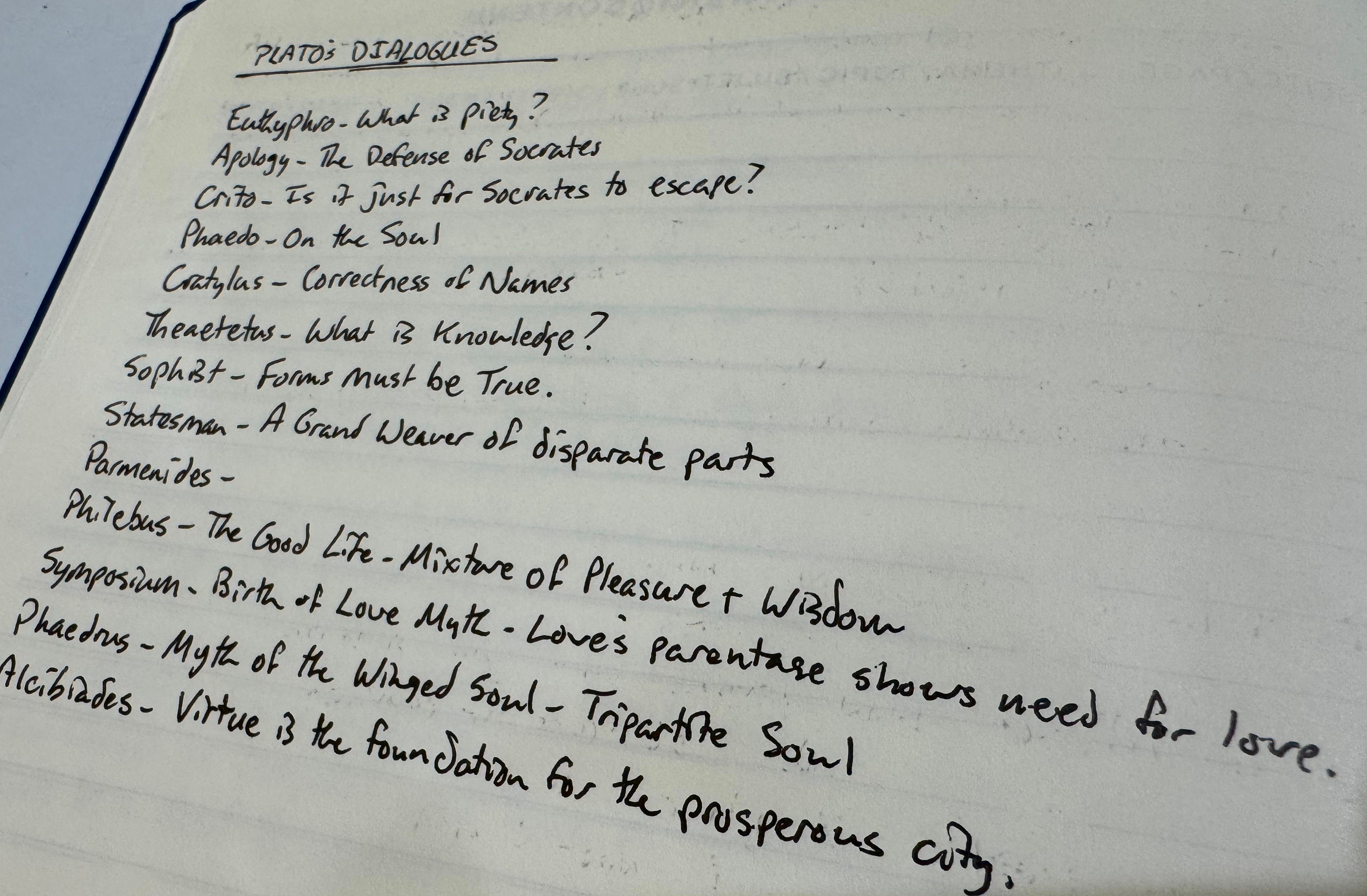
What I need to begin doing is to also list both the idea and the person. Each dialogue has a main dialogue partner or partners. Plato chose each of these people for a reason.
Start with the person and that may help you remember the idea from the dialogue.
Reading Order
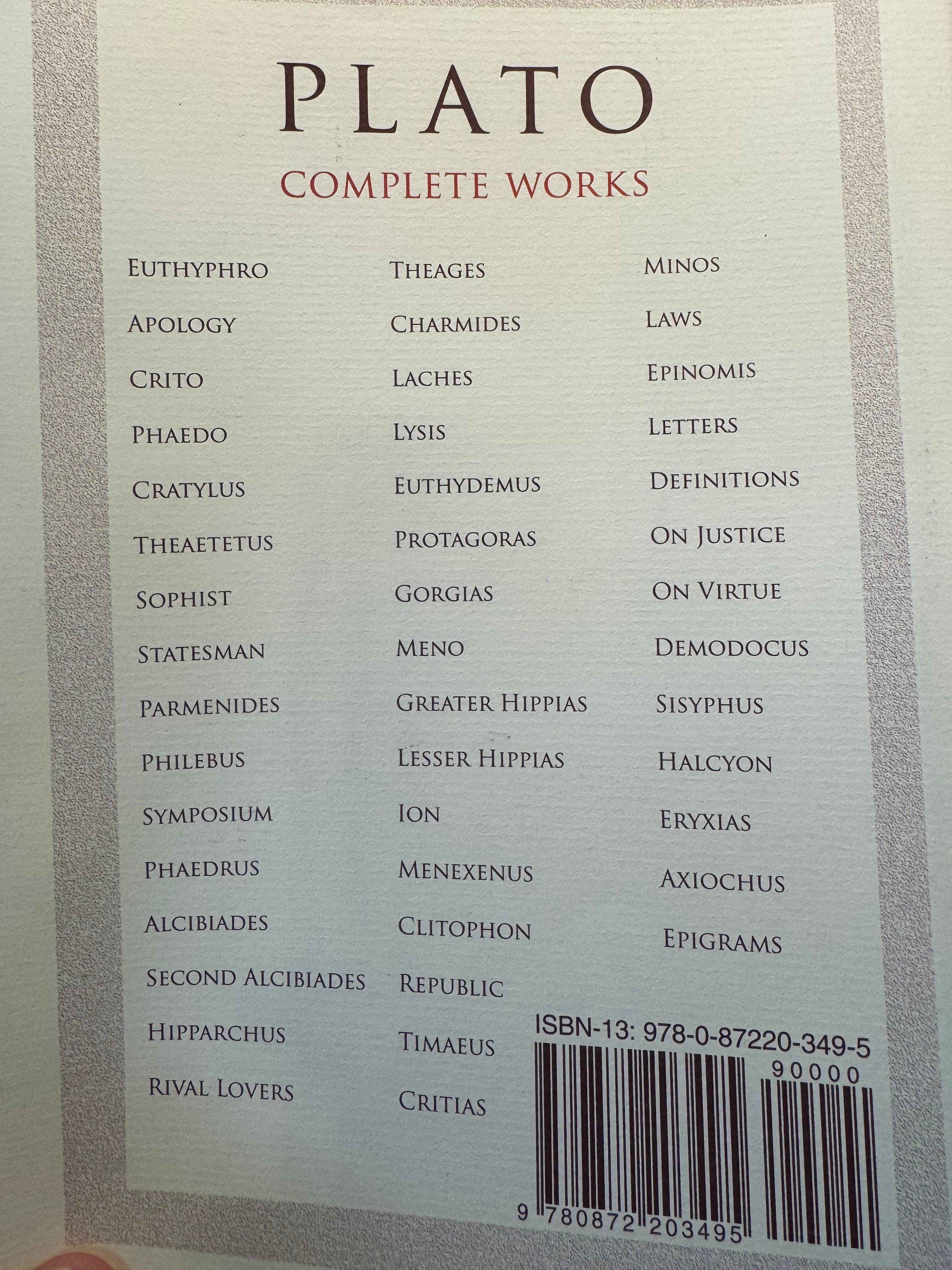
I’m reading the dialogues in the following order, as presented in Plato: Complete Works by J.M. Cooper. I’ve bolded the dialogues I’ve read and have italicized the ones I have yet to read.
Euthyphro
Apology
Crito
Phaedo
Cratylus
Theaetetus
Sophist
Statesman
Parmenides
Philebus
Symposium
Phaedrus
Alcibiades
Second Alcibiades
Hipparchus
Rival Lovers
Theages
Charmides
Laches
Lysis
Euthydemus
Protagoras
Gorgias
Meno
Greater Hippias
Lesser Hippias
Ion
Menexenus
Clitophon
Republic
Timaeus
Critias
Minos
Laws
Epinomis
Letters
Definitions
On Justice
On Virtue
Demodocus
Sisyphus
Halcyon
Eryxias
Axiochus
Epigrams

A short line for each dialogue to jog your memory is a great idea; I'm definitely going to copy you on that. Can I ask why you skipped forward to read Ion?
Do you have any plans to read the new 'Orphic Collection' loeb? I've been reading through it and there's a lot of comments/extracts from Plato's works in there so it seems like he mentions Orphism (?) a decent amount.